Game guide · WWJSMY
Read before your next round of Jigsaw Sudoku
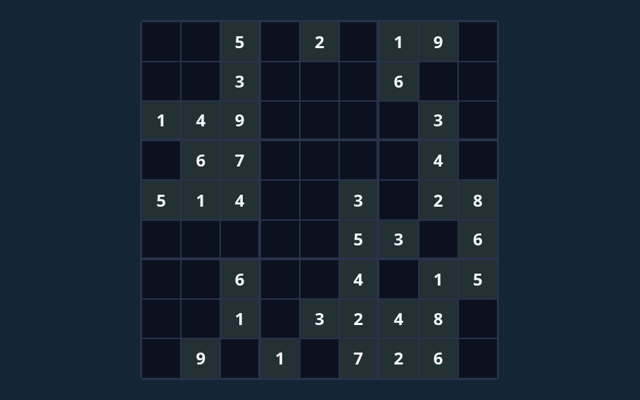
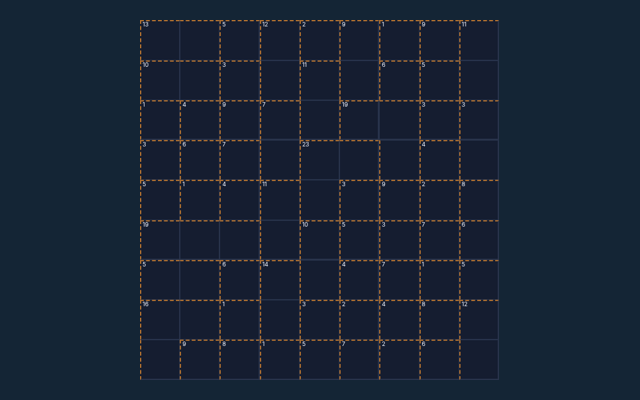
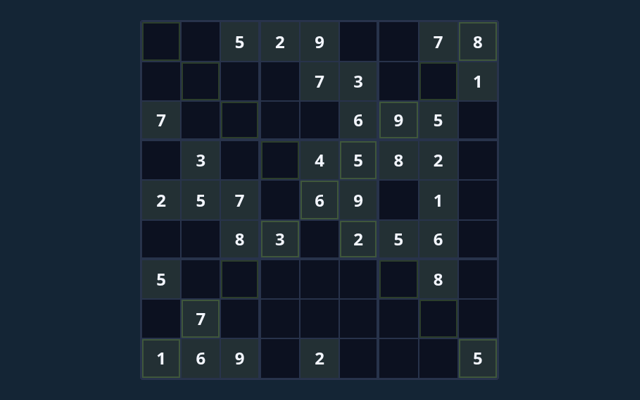
Jigsaw Sudoku gives you a focused activity to play in your browser. Fill each row, column and irregular coloured nine-cell region with 1–9 once. Check the relevant rule before repeating a move. Read the objective before making your first input. Look at what changes after your first action.
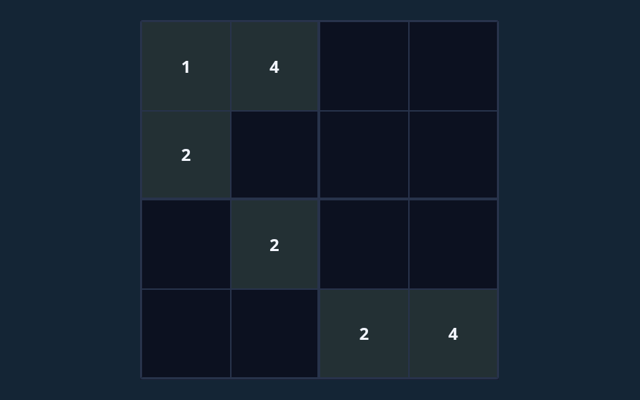
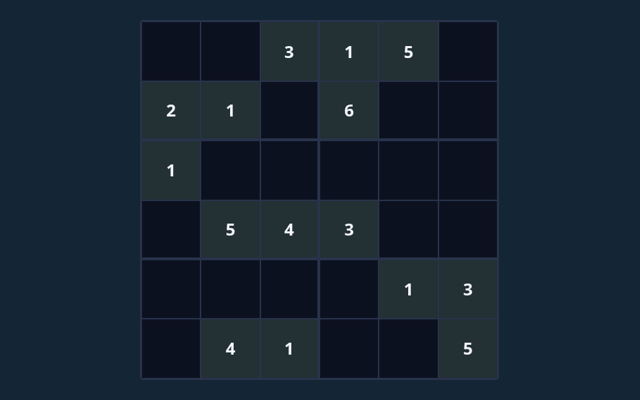
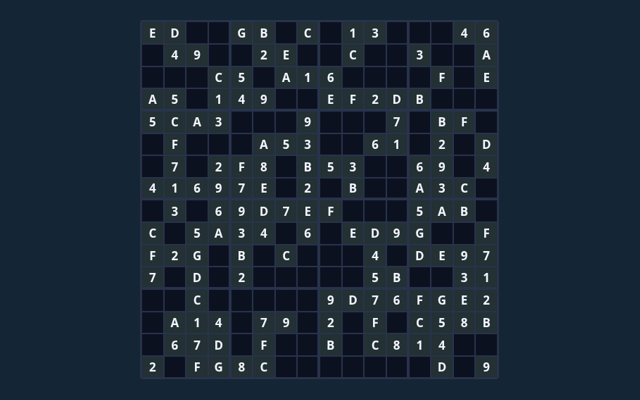
This collection contains 6 puzzles. Progress is saved in this browser. The same puzzle can appear again; the collection is not labelled with calibrated difficulty levels.
Take a closer look while playing
Watch the feedback after an action. A message can explain whether the input was accepted or whether a rule needs attention. Notice the feedback after each input.
What the game asks you to do
Fill each row, column and irregular coloured nine-cell region with 1–9 once. An attractive position is not enough unless the goal is met. Notice how the game responds to your input.
A walkthrough of the rules
- Select an editable cell.
- Enter a value using the keypad or keyboard; Notes stores candidates.
- Read the region, cage, arrow or outside clues alongside the normal constraints.
- Check entries verifies the completed board; Undo reverses your last input.
- New puzzle selects another included puzzle.
The controls to know
Click or tap cells and the digit pad. Use Notes, Undo and Reveal selected. Large boards scroll inside the game. Read a button’s label before selecting it. Contact us with the game and device if a control does not respond.
See how the rules apply
The coloured region, not a conventional 3×3 box, defines the third no-repeat constraint. Compare this with the rule that governs the move. Choose a deliberate next step.
Where a round can go wrong
A full board must obey every extra rule. Reveal supplies assistance; it is not an earned deduction. Take a moment to reassess the position before continuing. Locate the buttons and input area before beginning a long round. Use the on-screen labels to avoid an accidental restart.
Game-specific help
On this playing page, what is the goal of Jigsaw Sudoku?
Here is the relevant explanation: Fill each row, column and irregular coloured nine-cell region with 1–9 once.
Before I begin, how do I control Jigsaw Sudoku?
Click or tap cells and the digit pad. Use Notes, Undo and Reveal selected. Large boards scroll inside the game.
Before I begin, what example helps explain Jigsaw Sudoku?
For clarity: The coloured region, not a conventional 3×3 box, defines the third no-repeat constraint.
What should I watch out for in Jigsaw Sudoku?
Here is the relevant explanation: A full board must obey every extra rule. Reveal supplies assistance; it is not an earned deduction.
For my first round, what format does Jigsaw Sudoku offer?
For clarity: This collection contains 6 puzzles. Progress is saved in this browser. The same puzzle can appear again; the collection is not labelled with calibrated difficulty levels.
When I return, which play mode does Jigsaw Sudoku use?
For clarity: The mode on this page is Solo. Same-device play uses one screen; this game library does not provide internet matchmaking.
For a quick reminder, where should I start with Jigsaw Sudoku?
Select an editable cell.
Do I need an account or a payment for Jigsaw Sudoku?
Keep this in mind: No player account or payment is needed. Game scores are recreational results, not cash prizes.
For a quick reminder, how can I find Jigsaw Sudoku again?
Here is the relevant explanation: Use the Games list or save this game page in your browser bookmarks. The Guide is linked from the playing page.
For this browser game, how do I report an issue with Jigsaw Sudoku?
Use the contact form and include the game name, browser, device and the actions that led to the issue. Do not send passwords or payment details.